Medication Storage Mistakes to Avoid at Home
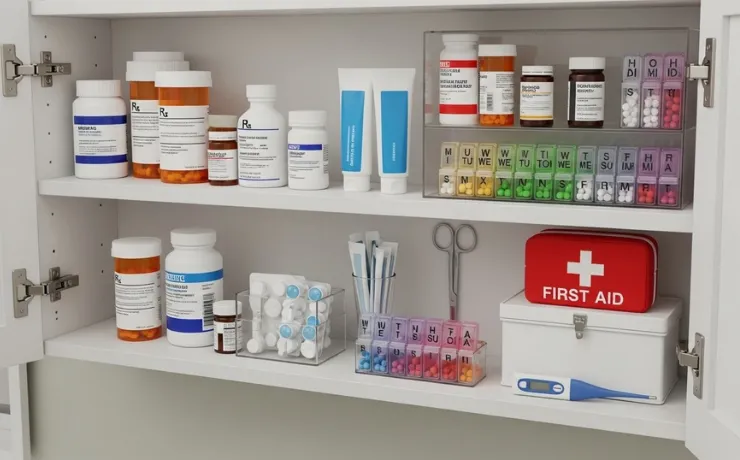
When it comes to keeping your medications safe and effective, how you store them matters just as much as when you take them. Many people are unaware that storing medicine incorrectly can cause it to lose strength, become less effective, or even unsafe to use.
At Central Pharmacy, our pharmacists often remind patients that proper medication storage is one of the simplest ways to protect your health. In this article, we’ll go over the most common medication storage mistakes to avoid at home—and how to do it the right way.
Why Proper Medication Storage Matters
Medications are sensitive to changes in temperature, light, and humidity. These environmental factors can affect how long a medicine remains stable and effective.
When stored incorrectly, medications may:
-
Lose their potency (become less effective)
-
Change in appearance, color, or smell
-
Become contaminated or unsafe to use
Keeping your medications in the right conditions helps ensure they work exactly as your doctor or pharmacist intends.
Common Medication Storage Mistakes to Avoid
Let’s look at some of the most frequent mistakes people make when storing their medications at home—and what to do instead.
1. Keeping Medicine in the Bathroom
One of the most common places people store medicine is the bathroom cabinet. Unfortunately, it’s also one of the worst places to keep it.
Bathrooms often experience high humidity and temperature changes from showers or baths, which can cause pills and capsules to break down faster.
Better alternative:
Store your medications in a cool, dry place—like a bedroom dresser drawer, closet shelf, or kitchen cabinet (away from the stove and sink).
2. Exposing Medicine to Heat or Direct Sunlight
Heat can cause medications to degrade quickly, especially those in capsules, gels, or creams. Sunlight can also break down certain ingredients, making the medicine less effective or unsafe.
Better alternative:
Keep medications away from windows, stoves, and heating vents. Avoid leaving them in your car, even for short periods, as temperatures can rise quickly inside.
3. Storing Medicine in the Refrigerator Without Checking
Not all medicines belong in the refrigerator. In fact, many can lose their effectiveness if they get too cold.
Better alternative:
Only refrigerate medications that specifically say “store in refrigerator” on the label or as advised by your Central Pharmacy pharmacist. If you’re not sure, ask before storing.
4. Transferring Medications to Different Containers
It might seem convenient to move pills into smaller bottles or weekly organizers, but doing so can cause confusion or contamination if not handled carefully.
Better alternative:
If you use a pill organizer, fill it directly from your prescription bottles each week and keep the original labeled containers for reference. Never mix different medications in one container.
5. Forgetting to Check Expiration Dates
Every medication has an expiration date that indicates how long it will remain effective and safe. Using expired medication may not give you the intended results and could even be harmful in some cases.
Better alternative:
Check expiration dates regularly and safely dispose of any that are past their date. Your Central Pharmacy team can help you learn how to dispose of them properly.
6. Leaving Medicine Within Children’s Reach
Accidental ingestion by children is one of the most serious medication storage mistakes. Even vitamins or over-the-counter products can be dangerous in the wrong hands.
Better alternative:
Always store medications in a locked cabinet or high shelf—well out of reach and sight of children and pets. Many pharmacies also offer child-resistant caps for extra safety.
7. Keeping All Medications Together
Mixing prescription medications, over-the-counter drugs, and supplements in one area can lead to confusion or dosing errors.
Better alternative:
Keep each medication in its original labeled container with clear instructions visible. If you have multiple prescriptions, organize them by time of day or purpose for easier use.
8. Ignoring Moisture Protection
Moisture is a major enemy of tablets and capsules—it can make them soften, clump, or dissolve prematurely.
Better alternative:
Keep the lid tightly closed and store medications away from humid areas. If your medication comes with a desiccant packet (the small “do not eat” packet), leave it inside the bottle—it helps absorb moisture.
9. Storing Liquid Medications Improperly
Liquid medications can be more sensitive than solid forms. Some need refrigeration, while others should be stored at room temperature.
Better alternative:
Read the label carefully and follow storage instructions exactly. Always keep bottles tightly closed and away from light or extreme temperatures.
10. Not Asking Your Pharmacist for Guidance
Many people don’t realize that storage instructions can vary from one medication to another. Ignoring this information may lead to wasted medicine or health risks.
Better alternative:
If you’re ever unsure how to store a medication, ask your Central Pharmacy pharmacist. We’re always happy to explain the proper conditions and offer practical storage tips for your home.
Safe Medication Disposal Tips
Proper storage goes hand-in-hand with safe disposal. Expired or unused medications should never be thrown directly into the trash or flushed down the toilet unless specifically instructed.
Here’s what you can do:
-
Use a pharmacy take-back program – Many pharmacies, including Central Pharmacy, participate in safe medication disposal programs.
-
Check local guidelines – Some communities have designated drop-off locations.
-
Follow disposal instructions – For medicines you must throw away, mix them with undesirable substances (like coffee grounds or cat litter) before sealing them in a bag and placing them in household trash.
Safe disposal helps prevent accidental poisoning, misuse, and environmental harm.
When to Replace or Review Your Medications
It’s a good idea to do a medication review every few months. During this review, check for:
-
Expired or damaged medications
-
Bottles with missing or unreadable labels
-
Duplicates of the same medicine
-
Changes in color, texture, or smell
Bring any concerns to your Central Pharmacy pharmacist for advice on whether to keep, replace, or safely dispose of those medications.
How Central Pharmacy Can Help
At Central Pharmacy, your safety is our top priority. Our pharmacists are here to help you:
-
Understand proper medication storage for each prescription.
-
Learn the best ways to organize your medications at home.
-
Identify expired or unsafe products.
-
Find out about local disposal options for old or unused medicines.
We’re always available to answer your questions and provide practical solutions to keep your medications effective and your household safe.
Final Thoughts
Proper medication storage might seem like a small detail, but it makes a big difference in your health and safety. Avoiding common storage mistakes ensures that your medications remain safe, effective, and ready to use when you need them.
By following the simple steps above—and staying in touch with your Central Pharmacy team—you can confidently manage your medications at home, knowing they’re stored correctly and working as they should.
Snippet From our blog
Explore helpful tips, expert insights, and the latest health updates on our blog. Find practical advice and resources to support a healthier life.