How to Handle Mild Allergic Reactions at Home
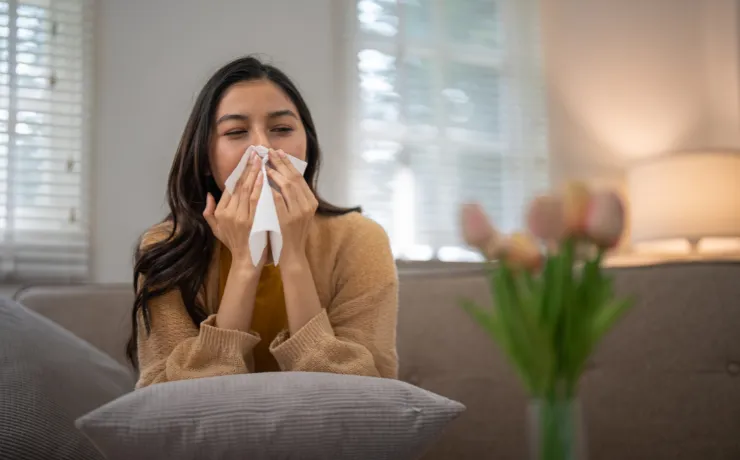
Allergic reactions occur when the body’s immune system overreacts to a substance, called an allergen. Common triggers include pollen, pet dander, certain foods, insect bites, or medications. While severe allergic reactions require immediate medical attention, mild reactions such as itching, rashes, or sneezing can often be managed safely at home.
At Central Pharmacy, we provide guidance on recognizing mild allergic reactions, using over-the-counter (OTC) medications effectively, and taking steps to prevent further symptoms.
Recognizing Mild Allergic Reactions
Mild allergic reactions can appear quickly or develop over hours. Common symptoms include:
-
Skin reactions: Redness, hives, or mild rash
-
Itching: Especially on the skin, eyes, or throat
-
Sneezing or runny nose: Often related to seasonal or environmental allergens
-
Watery or itchy eyes
-
Minor swelling: Usually around lips, hands, or eyes
These symptoms are uncomfortable but typically not life-threatening. However, monitoring is important to ensure symptoms do not worsen.
Over-the-Counter Treatments for Mild Allergic Reactions
OTC medications can help relieve symptoms and improve comfort:
1. Antihistamines
-
How they work: Block the effects of histamine, a chemical that causes allergy symptoms
-
Best for: Sneezing, itching, hives, and runny nose
-
Forms: Tablets, capsules, liquids, or nasal sprays
-
Tips: Follow dosing instructions and be aware that some antihistamines may cause drowsiness
2. Topical Creams and Ointments
-
How they work: Reduce itching, redness, and swelling
-
Best for: Mild rashes or localized hives
-
Tips: Apply a thin layer to affected areas and avoid broken skin
3. Eye Drops
-
How they work: Relieve itchy, watery, or red eyes caused by allergens
-
Best for: Environmental allergens like pollen or pet dander
-
Tips: Use as directed and avoid sharing eye drops with others
4. Cold Compresses or Soothing Lotions
-
How they work: Reduce swelling and relieve itching
-
Best for: Skin reactions, insect bites, or localized irritation
-
Tips: Apply for 10–15 minutes at a time as needed
Lifestyle and Home Strategies
In addition to OTC medications, lifestyle adjustments can help manage mild allergic reactions:
-
Avoid triggers: Identify and limit exposure to allergens whenever possible
-
Keep your environment clean: Regular dusting, vacuuming, and using air purifiers can reduce indoor allergens
-
Wash skin and hair: After exposure to pollen, pet dander, or other allergens
-
Wear protective clothing: Long sleeves or gloves can prevent skin contact with allergens
-
Maintain hydration: Drinking water helps flush allergens and supports overall health
When to Seek Medical Attention
While mild allergic reactions can be managed at home, seek immediate care if any of the following occur:
-
Difficulty breathing, wheezing, or tightness in the chest
-
Swelling of the face, tongue, or throat
-
Severe hives or rash covering a large area
-
Dizziness, fainting, or rapid heartbeat
-
Symptoms that do not improve with OTC treatments
These could indicate a severe allergic reaction (anaphylaxis), which requires emergency care.
The Role of Your Pharmacist
Pharmacists are an important resource for managing mild allergic reactions:
-
Recommend the most appropriate OTC treatments based on symptoms
-
Advise on dosing, timing, and potential interactions with other medications
-
Provide guidance on lifestyle adjustments and allergen avoidance
-
Educate on warning signs that require medical evaluation
-
Help manage chronic allergy conditions with personalized advice
At Central Pharmacy, our pharmacists are available to answer questions, recommend treatments, and support patients in managing allergies safely.
Safety Tips for OTC Use
-
Always follow label instructions and recommended doses
-
Avoid combining multiple medications with similar active ingredients unless approved by a pharmacist
-
Be aware of potential drowsiness with some antihistamines and plan activities accordingly
-
Apply topical creams to clean, dry skin and avoid broken areas
-
Keep a record of symptoms and treatments to track effectiveness
Preventing Mild Allergic Reactions
Prevention is the best approach:
-
Identify common triggers and minimize exposure
-
Keep windows closed during high pollen seasons
-
Use allergen-proof bedding and vacuum regularly
-
Consider preventive OTC medications if recommended by a pharmacist or healthcare provider
-
Stay informed about seasonal allergies and environmental alerts
Final Thoughts
Mild allergic reactions are common but manageable with OTC medications, home strategies, and pharmacist guidance. Early recognition, appropriate treatment, and preventive measures can reduce discomfort and prevent symptoms from worsening.
At Central Pharmacy, our pharmacists provide personalized recommendations, educate patients on safe medication use, and help identify when medical care is necessary. With the right approach, you can safely manage mild allergic reactions at home and maintain your daily routine comfortably.
Snippet From our blog
Explore helpful tips, expert insights, and the latest health updates on our blog. Find practical advice and resources to support a healthier life.